

The Good We Carry Forward -
What Dolly Taught us

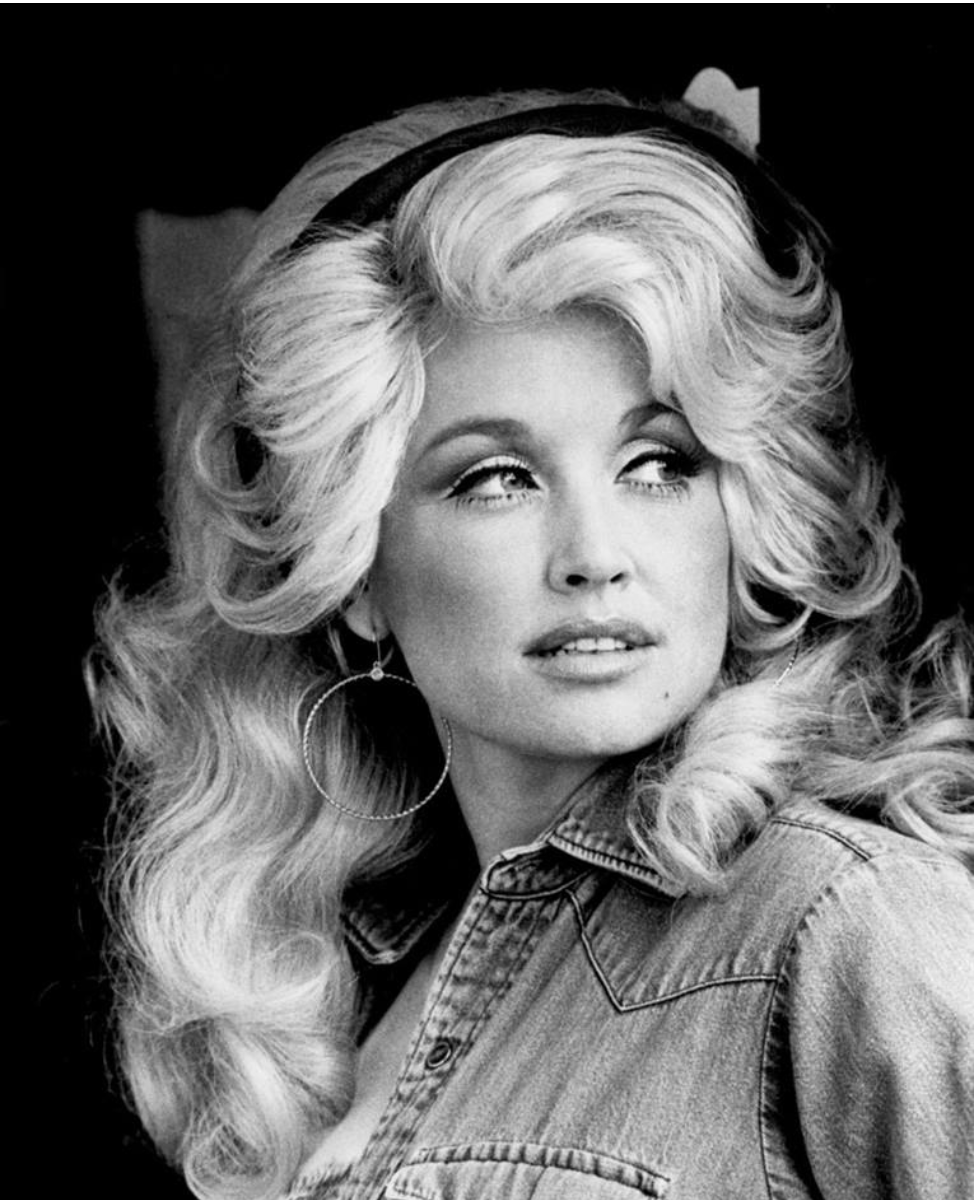
There are people we may never truly know but who become part of the way we understand the world. Artists, leaders and public figures can give us examples of courage, generosity, faith and goodness, and over the years, their words and lives become woven into our own. “I learn how to be good by watching people,” Kelly Norrell reflected. “When somebody, a celebrity or a world leader, is good...that is a huge example. I don’t always know how to do good on my own on the scale the world needs.” Dolly Parton reminded us of something good in ourselves and in one another. Maybe that is why losing someone like her can feel so personal. We are not only grieving a person; we are grieving the hope they brought into the world, and the way their life helped us imagine what is possible. For Christians, there is something deeply familiar in that. Our faith is centered on Christ, God made flesh, who showed us what love looks like in a human life. The people who inspire us are not Christ, but at their best, their courage, compassion, and love can point us toward Him. Their lives can make goodness visible, and when they are gone, what they showed us does not have to disappear. It becomes part of what we carry forward.
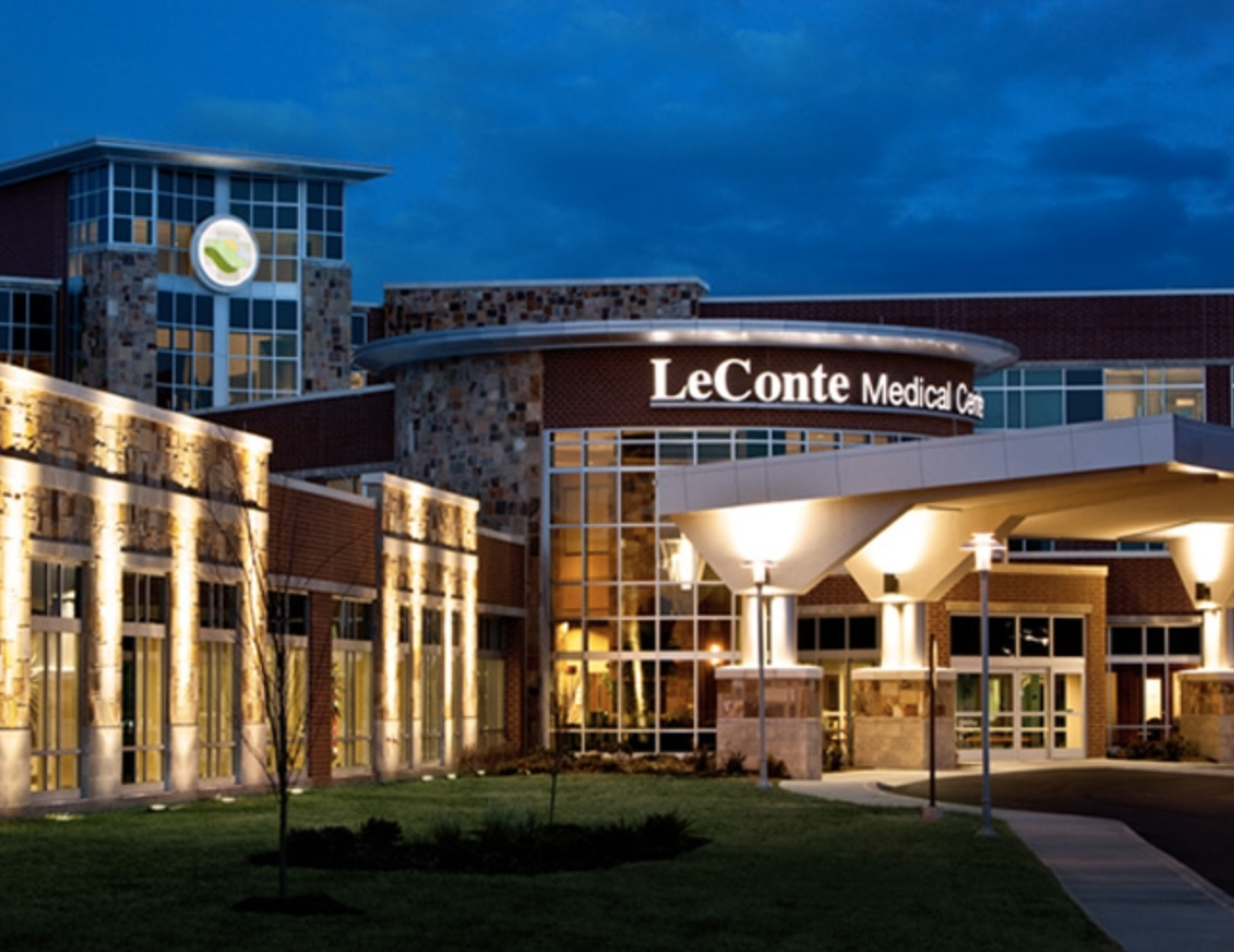
Ginny Morrow had the opportunity to cross paths with Dolly Parton at two very different moments in their lives. She first met Dolly at a cosmetics counter in Nashville, before Dolly had become the larger-than-life figure the world would know. Dolly was trying not to be recognized, but as Ginny walked away, she quietly told her, “You are a very talented person.” Dolly looked at her and replied joyfully, “Thank you, honey!” Decades later, their paths crossed again when Ginny, then Senior Vice President of Philanthropy with Covenant Health, was helping raise money to build LeConte Medical Center in Sevierville. Ginny and her colleagues met with Dolly in her trailer at Dollywood, where they had a wonderful conversation about the healthcare needs of the community and the effort to build a new hospital. Ginny remembers being struck not only by Dolly’s kindness and generosity, but by her intelligence. “She’s the smartest business person, bar none, I have ever met,” Ginny said. Dolly listened to people and their advice, “and then she’d listen to her heart.” She went on to perform a three-hour benefit concert, donate the proceeds and continue helping the Dr. Robert F. Thomas Foundation raise money for the hospital.
What Ginny carries with her most is the way Dolly used her strength and success to lift other people. “She was an encourager and she saw people,” Ginny said. “She wasn’t threatened by other people’s success, talent, fame or resources. Instead, she made room for others and understood what people truly needed. “She recognized the need for healthcare, the need for education. The need to be seen.” She remembered the people who helped her, encouraged others and used what she had to lift people up. “She knew what she wanted to do, and she was going to do it, but she didn’t hurt people in the process,” Ginny said. That strength of purpose, paired with generosity and genuine care for people, is the legacy Ginny carries with her. Perhaps Dolly herself expressed it best: “You can be who you want to be. I’m gonna be who I want to be.”
For Sandra Robinson, the strength people saw in Dolly Parton was rooted in something deeper than talent or fame. It was rooted in faith. Sandra had followed Dolly’s life since moving to Tennessee in 1972, but she also witnessed Dolly’s influence firsthand while working at Dollywood. There, she saw a culture shaped around caring for people. Employees were encouraged to help families make memories, to notice what guests needed and to treat people with genuine respect. Sandra believed that spirit flowed directly from Dolly and from the way she chose to live her own life. Dolly could be generous without surrendering her strength. When Elvis Presley wanted to record “I Will Always Love You,” Colonel Tom Parker insisted Dolly give up publishing rights to the song. She said no. “She was strong. She knew what she wanted,” Sandra said. Years later, Dolly allowed Whitney Houston to make the song her own, sending it soaring across genres and generations. To Sandra, those choices reflected a woman secure enough in herself to stand her ground, but generous enough to make room for other people to shine.
More than anything, Sandra drew strength from watching Dolly hold onto her faith when life became painful. “Life is full of losses,” Sandra said, and Dolly knew those losses personally. She endured the deaths of people she deeply loved, yet Sandra watched her continue to meet the world with faith, generosity and love. “She kept the faith, and she has just stayed the same strong person she always was.” Faith did not spare Dolly from grief, but it gave her something strong enough to stand on when grief came. “You can tell when a person has enough faith that they don’t go into a dark place when something happens,” Sandra said. Dolly kept creating, giving, encouraging and loving people, even while carrying losses of her own. Sandra drew deep strength and comfort from her example.
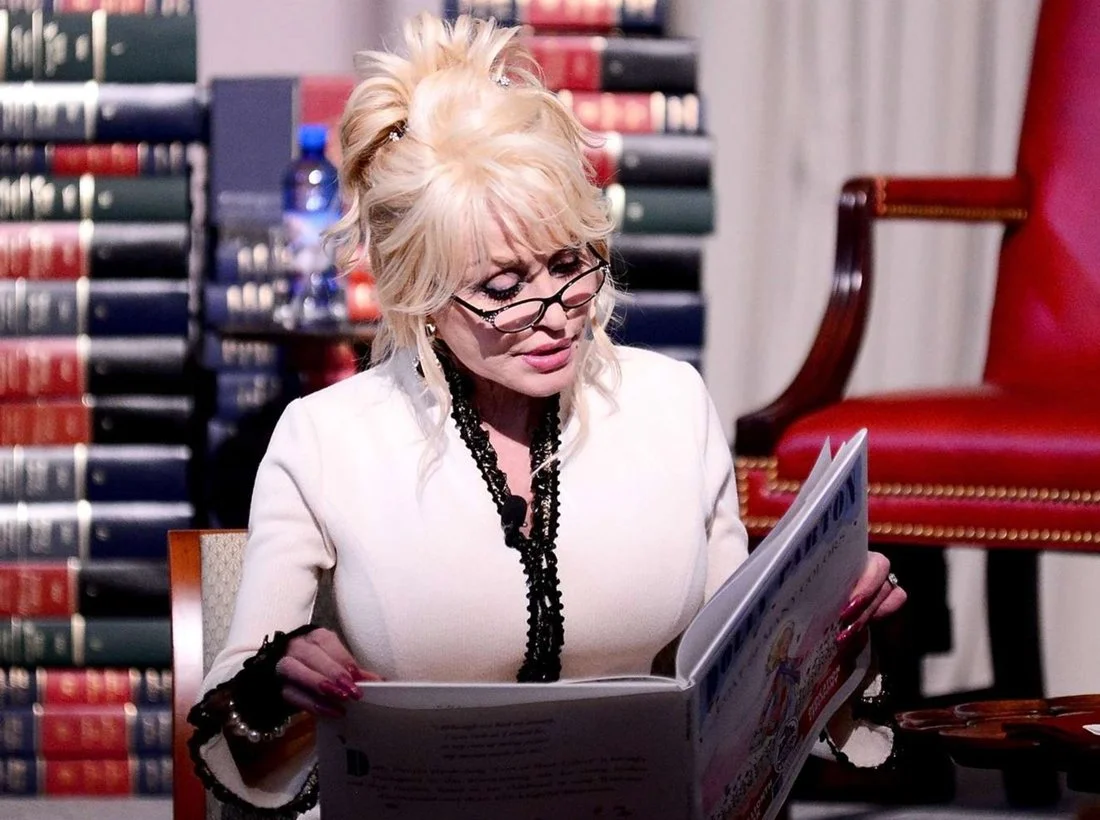
For Kelly Norrell, one of the most powerful things about Dolly Parton was the way she held onto her own dignity while fiercely honoring the dignity of others. Dolly could laugh at herself, tell outrageous stories and give deeply of her time and resources, but, as Kelly put it, “She did not let go of either her dignity or yours.” She understood that generosity did not require her to diminish herself. “Sometimes we can give away who we are in an effort to please other people,” Kelly said. Dolly gave freely, but she never gave away who she was. Dolly knew what she believed, knew she had a calling and remained rooted in that identity while using her life to affirm the worth of people around her.
One of Kelly’s favorite examples was a video of Dolly unexpectedly visiting an Irish pub and singing “Coat of Many Colors” with local musicians. Dolly could have easily taken over the room, but instead, she navigated the moment “with so much grace,” affirming the musician and drawing everyone into the experience while remaining completely herself. To Kelly, it captured something essential about Dolly: she knew who she was, but she never needed to make the moment about herself. She had a remarkable way of shining while helping the people around her shine, too.
As Christians, we can carry Dolly’s example forward in our own lives. We can fully embrace the gifts God has given us while making room for others to do the same, using those gifts to encourage people, notice those who need to be seen, and make Christ’s love a little more visible in the world.